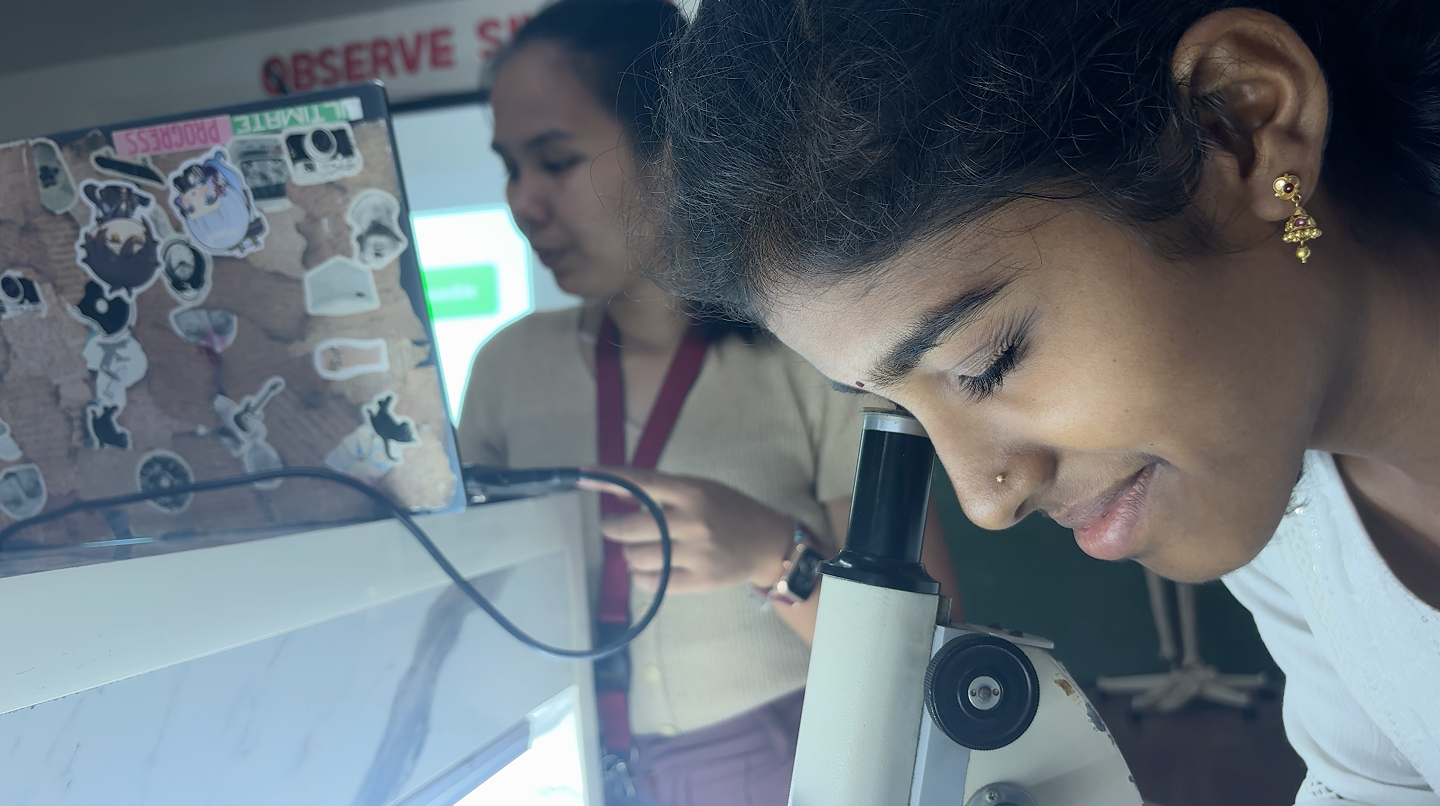
Medical education becomes meaningful when classroom knowledge is observed, tested and applied. At Lyceum Northwestern University in Dagupan City, laboratory-based learning helps students build a practical understanding of human anatomy, body functions, microorganisms and disease processes.
Students participate in guided practical sessions using anatomical learning resources, specimens, microscopes, prepared slides and visual teaching materials. These activities help learners connect medical science with the clinical reasoning required during the advanced stages of their education.
Through observation, analysis and faculty-guided discussion, students develop scientific thinking, teamwork and responsible laboratory practices—essential foundations for future clinical training.
Laboratory education supports students as they progress from foundational medical science to clinical understanding. Each subject develops a different set of observation, interpretation and problem-solving skills.
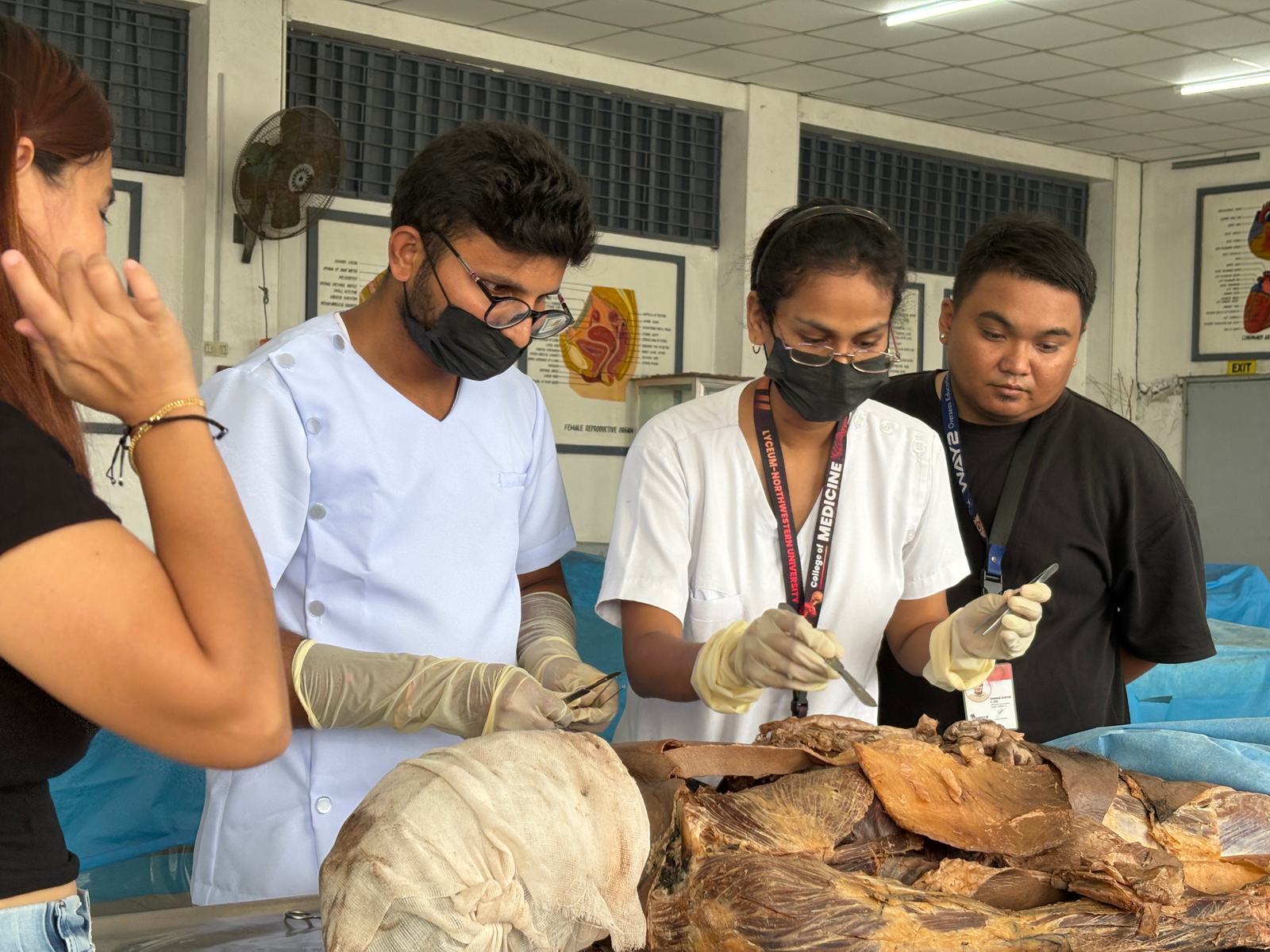
Physiology practical sessions help students understand how the human body functions. By observing and recording physiological processes, learners connect concepts such as circulation, respiration and nerve activity with measurable findings.
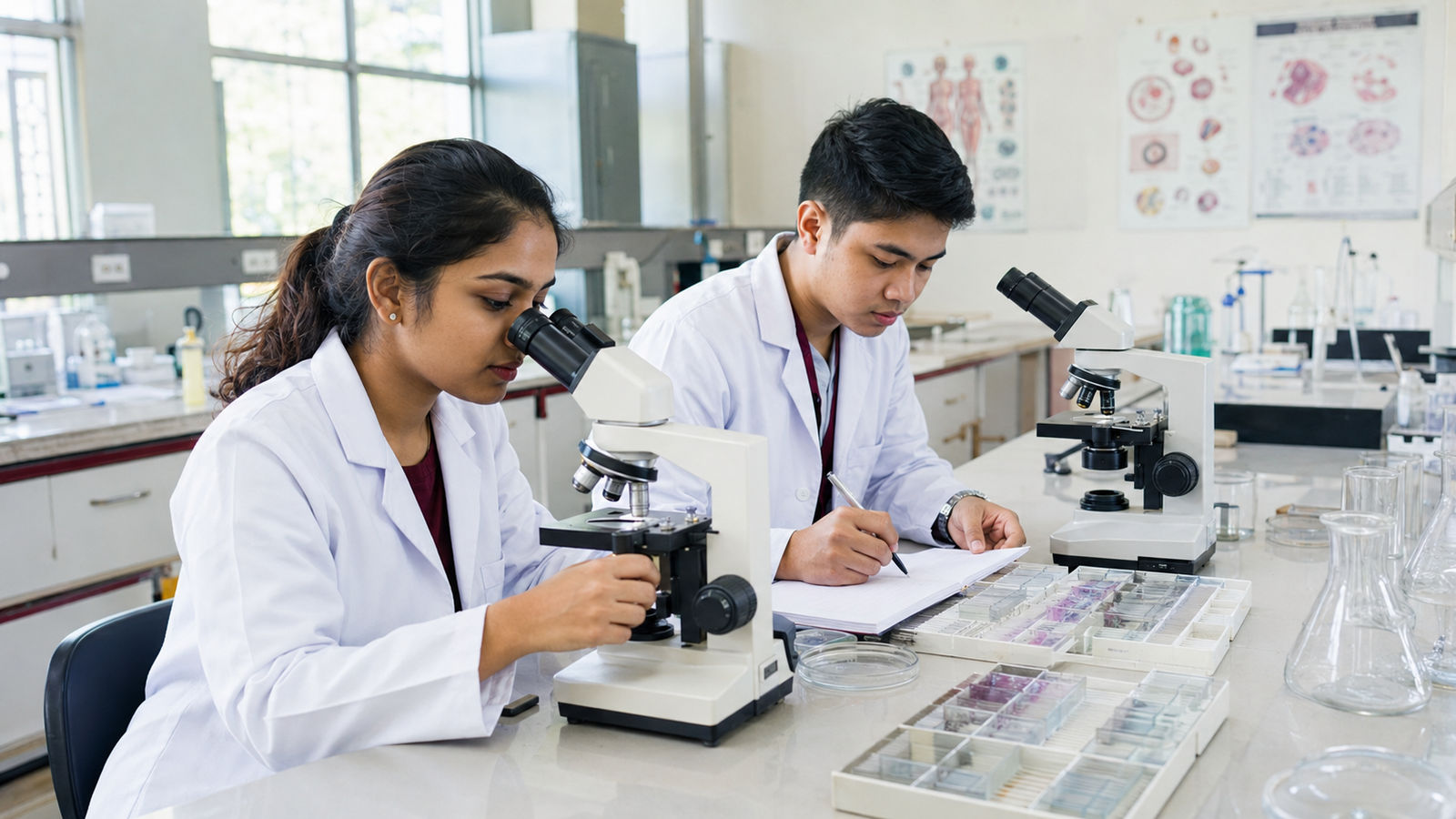
Biochemistry laboratory learning explores the chemical processes that support human life. Practical activities help students relate enzymes, biological molecules and metabolic pathways to nutrition, health, disease and diagnostic investigation.
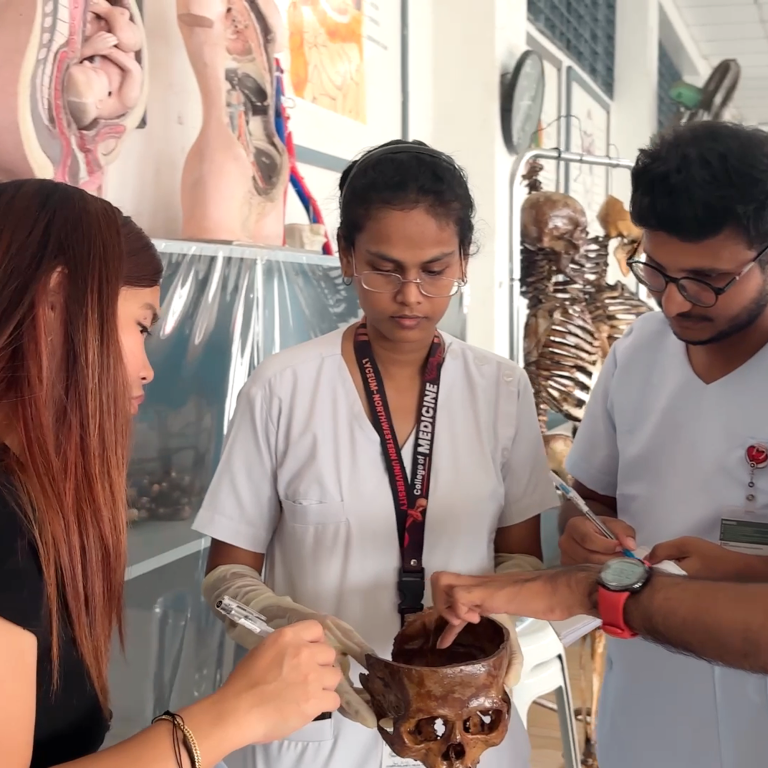
Pathology and haematology practical sessions help students distinguish normal findings from changes associated with disease. Prepared slides, specimens and case-based discussion strengthen pattern recognition and clinical interpretation.
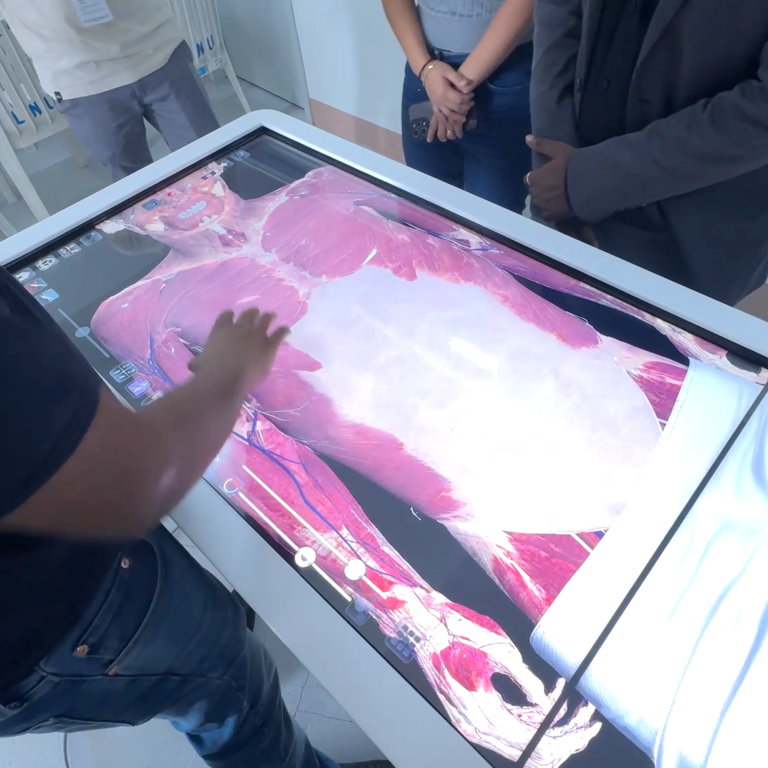
Relevant practical instruction introduces students to immune responses, antigen-antibody reactions, blood compatibility and the scientific principles that support safe transfusion practice.
Safe and responsible behaviour is an essential part of medical laboratory education. Students are expected to follow faculty instructions, use protective equipment when required and handle specimens, instruments and learning materials carefully.
Copyright © 2026 All Rights Reserved by Lyceum Northwestern University College of Medicine
Designed By Sai Techno Solution Private Limited