At Lyceum Northwestern University, students don’t just memorize from textbooks — they experience medicine. The structured MD syllabus builds from strong basics to real-world readiness:
In Year One, students dive into Gross Anatomy and Biochemistry using real cadavers — a highlight mentioned by several students for making learning “unforgettable.”
By Year Two, subjects like Pharmacology, Pathology, and Microbiology are taught alongside simulations and hospital visits, helping students visualize diseases beyond the page.
Third-year students often speak about how rotations in ENT, Ophthalmology, and Radiology shift their perspective from theory to clinical diagnosis — making learning feel “alive.”
And in Final Year, students join government hospitals for full-fledged clerkship. As one parent recalled, “My son assisted in a real childbirth before his graduation — that kind of exposure is rare.”
Core Required Courses for all majors:
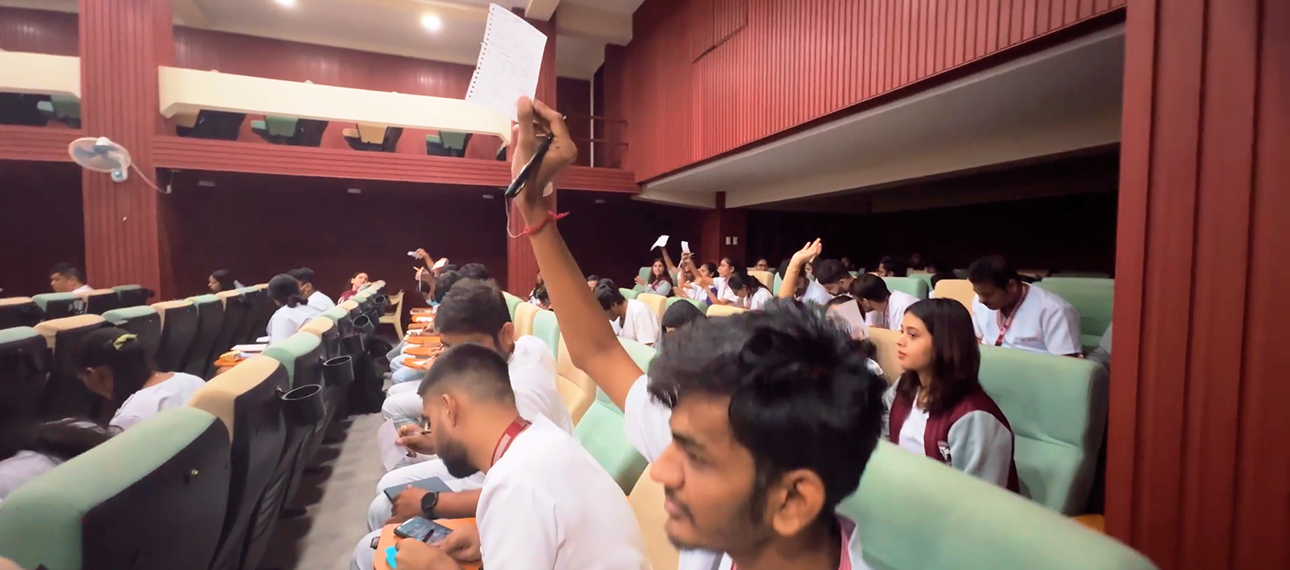
At Lyceum Northwestern University, classrooms aren’t just rooms with desks and whiteboards. They’re dynamic medical spaces where future doctors are shaped every day.Your professor is a consulting physician who treated patients this morning and is now walking you through the same case in class. You’re asked to present it — not just from your notes, but as if you’re the attending doctor. This is a regular day at Lyceum.
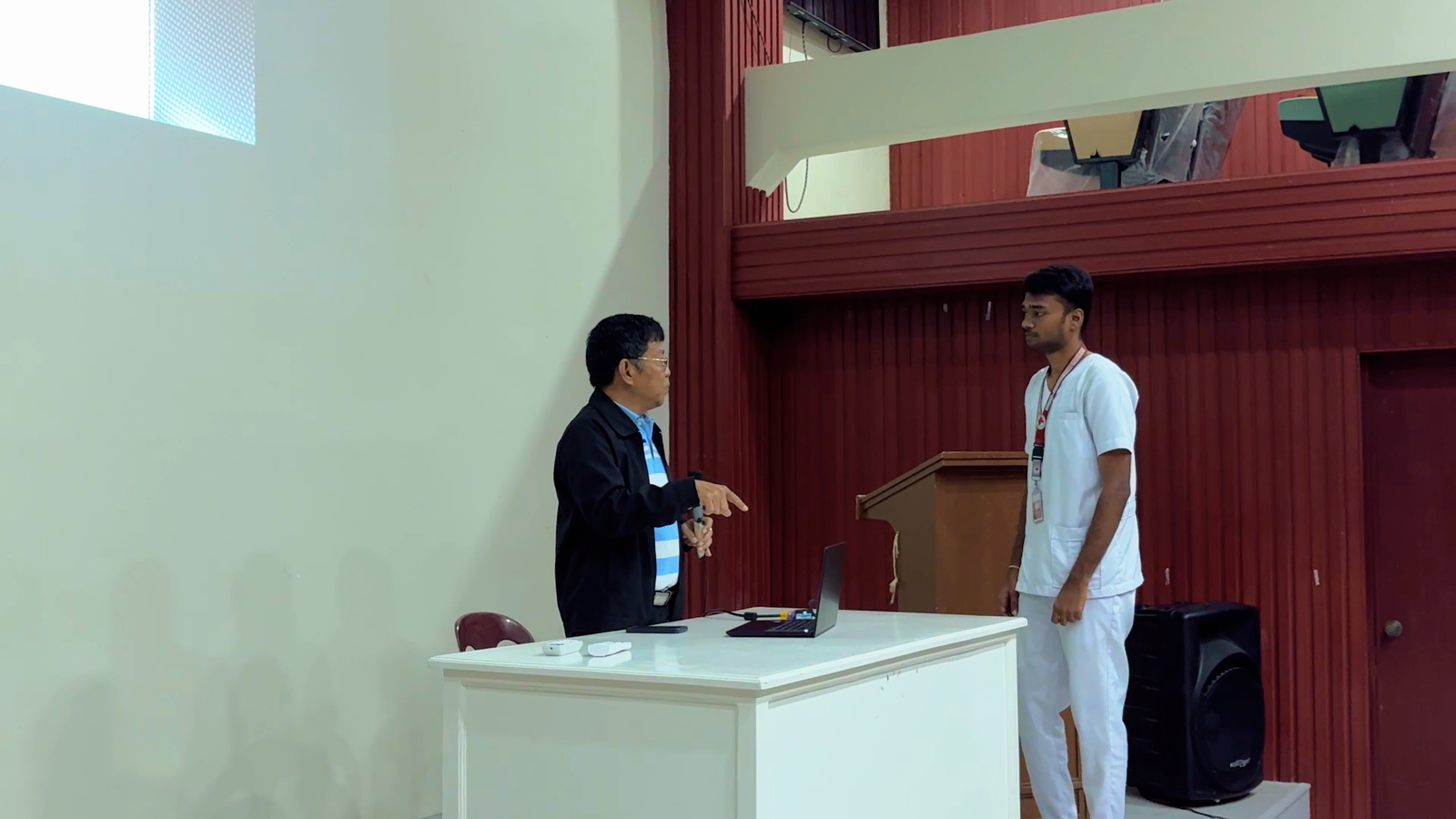
From ergonomic seating to large display boards and modern teaching aids, each classroom feels like a mini medical theatre. Students say the infrastructure is “very good” — a place where “all kinds of facilities” are available to support their academic journey.
Classes aren’t just about lectures. Faculty — many of whom are practicing doctors — encourage students to ask questions, clarify doubts, and engage actively. “Doctors here are very friendly,” one student says, “They encourage us when we have doubts.”
Every week, students are asked to prepare presentations, clinical case reports, or collaborative assignments. “We’re divided into teams, sometimes even asked to create videos,” a student shares. This peer-learning culture builds communication, teamwork, and research skills essential for future doctors.
Unlike the Indian system where exams are infrequent, Lyceum conducts internal tests every month. This keeps students sharp, focused, and consistently engaged. “We’ve gotten used to studying regularly — it’s helping a lot,” says a 2nd-year student.
At Lyceum, education isn’t confined to lecture halls. Hands-on training begins in the first semester itself — from dissecting cadavers in Anatomy Lab to microbiology experimentsWhether you need the latest USMLE review material or peer-reviewed research journals, the Lyceum Medical Library provides quiet study spaces, digital subscriptions, and printed collections designed for the Indian and international curriculum.
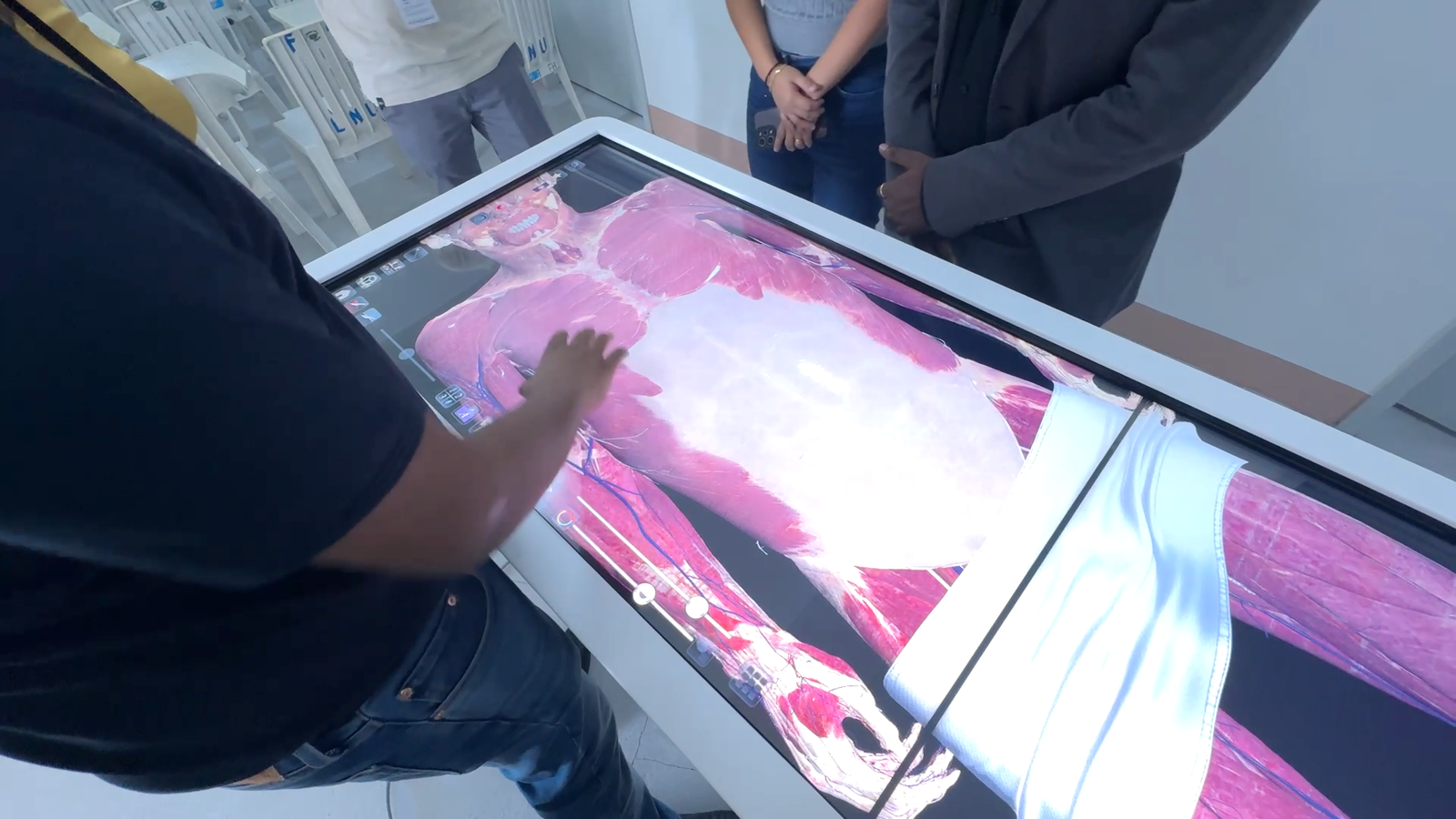
Take a closer look at what it’s like to learn at Lyceum. In this short video, walk through our fully air-conditioned, modern classrooms — designed for comfort, collaboration, and real medical learning.
Optimized climate control for focused study
High-resolution screens and clinical projection
Immediate connection between theory and practice
Ergonomic seating for group discussions
“In India, we don’t get to touch or talk to patients till internship. Here, we interact from the start — we even assist deliveries. I know I’m becoming a confident and capable doctor.”

“The classrooms are modern and well-organized. What really makes huge difference is that our professors are actual practicing doctors. They explain how it works in real hospital situations.”

Copyright © 2026 All Rights Reserved by Lyceum Northwestern University College of Medicine
Designed By Sai Techno Solution Private Limited